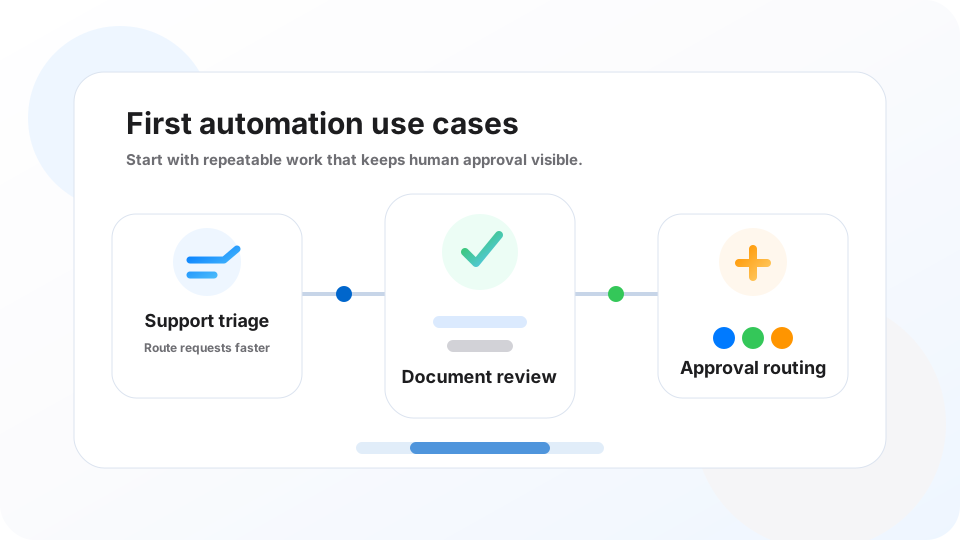
A strong AI automation roadmap starts with work that already has a known path. The workflow may be slow today, but the inputs, reviewers and expected outcomes are clear enough to automate safely.
1. Customer request triage
Customer requests often arrive with uneven detail. AI can summarize the request, identify missing information, classify the category and route it to the right owner for next action.
This is useful when the customer experience depends on speed but the business still needs a controlled handoff and a visible record.
2. Document review and exception handling
Many teams spend time checking whether documents are complete, consistent and ready for review. AI can identify missing fields, highlight exceptions and prepare a clean summary for the approver.
The human reviewer still makes the decision, but the repetitive inspection work becomes faster and easier to audit.
3. Internal approval routing
Approvals slow down when teams do not know who owns the next step. AI automation can prepare the context, route the request by role or department and show administrators where the workflow is waiting.
What to avoid first
Avoid starting with workflows that have unclear ownership, inconsistent rules or high-risk decisions with no review step. Those can be automated later after the process is better defined.
How this shows up in day-to-day operations
Support ticket routing
AI reads an incoming support request, detects product area and urgency, then prepares a short handoff for the service owner.
Invoice exception review
AI checks invoice details against submitted context, flags mismatches and sends only the exception summary to finance for approval.
Employee onboarding tasks
AI organizes access, equipment and account requests into a single workflow so HR, IT and the manager each see their next action.