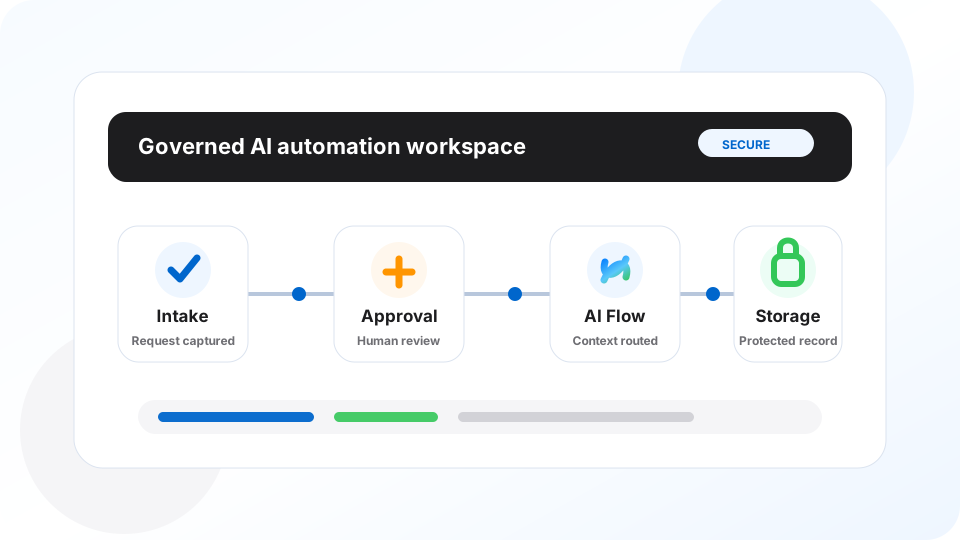
The best AI automation projects do not begin with a model. They begin with a business workflow that is repeated often, depends on clear approval, and needs a reliable handoff between people, systems and data.
Why AI automation matters now
Teams are under pressure to move faster, but many still manage requests through inboxes, spreadsheets and chat messages. That slows decisions and makes it harder to see what was requested, who approved it and where the supporting information lives.
AI automation helps when it turns this scattered work into a secure sequence: capture the request, enrich the context, route the next action, keep a record and surface status for the team.
What a governed workflow needs
A production-ready automation layer should make control visible. It should define who can submit a request, who can review it, what data is attached, which actions were taken and how the outcome is handed back to the customer or internal team.
The goal is not to remove people from every decision. The goal is to remove repetitive coordination while keeping human approval exactly where it matters.
Where teams should start
Start with a workflow that has clear business value and low ambiguity. Good early candidates include customer intake, document-based review, internal approval routing, operations triage and recurring status updates.
How AI Agents 007 fits
AI Agents 007 is designed around secure intake, role-aware access, admin visibility and workflow readiness. That gives teams a cleaner starting point for turning automation ideas into governed operating processes.
With secure storage and database-backed records, teams can keep the important context attached to the work while administrators manage users, requests and operational follow-through from one portal.
How this shows up in day-to-day operations
Customer onboarding intake
A customer submits requirements and files. AI summarizes the request, checks for missing context and routes it to an admin for review before work begins.
IT access approval
An employee requests access to a tool. AI captures business justification, routes approval to the right owner and keeps the final decision visible in the audit trail.
Operations triage
Incoming service requests are categorized by urgency, ownership and required documents so administrators can focus on the items that need human judgment.